









The Evolution of AI in Video Editing: What's Real in 2026?

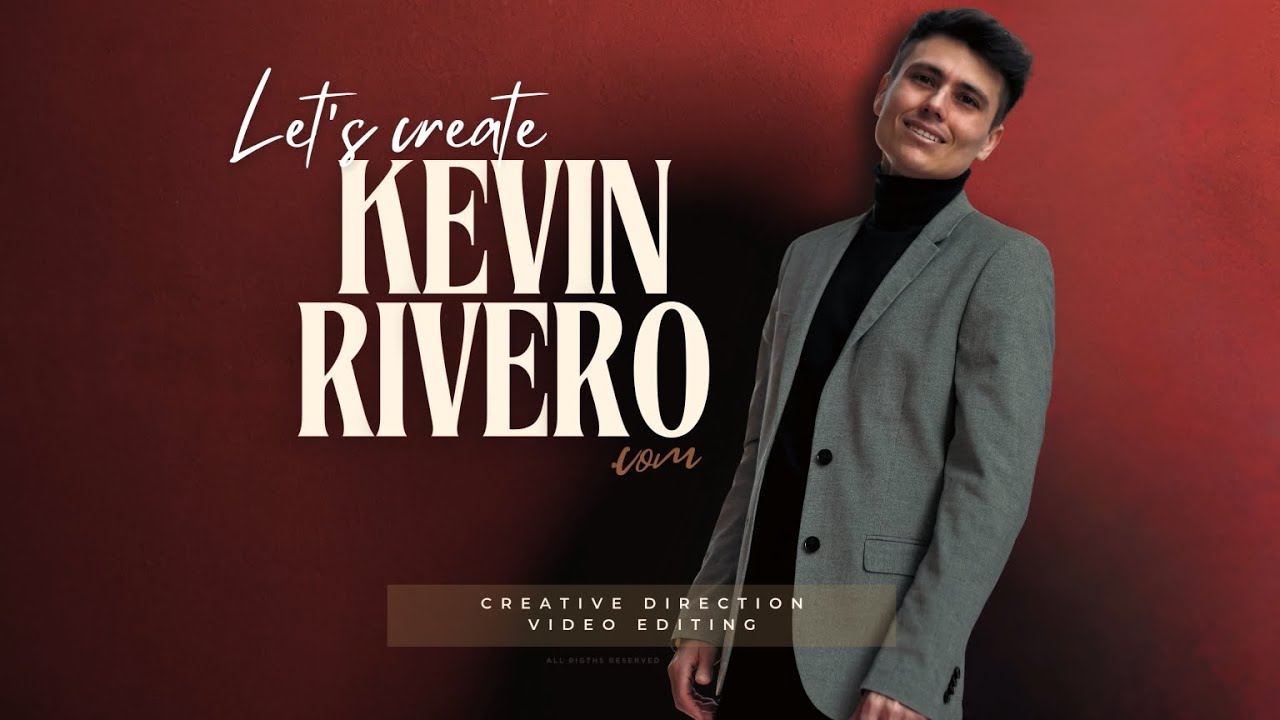
Kevin Rivero
September 2026 · 8 min read
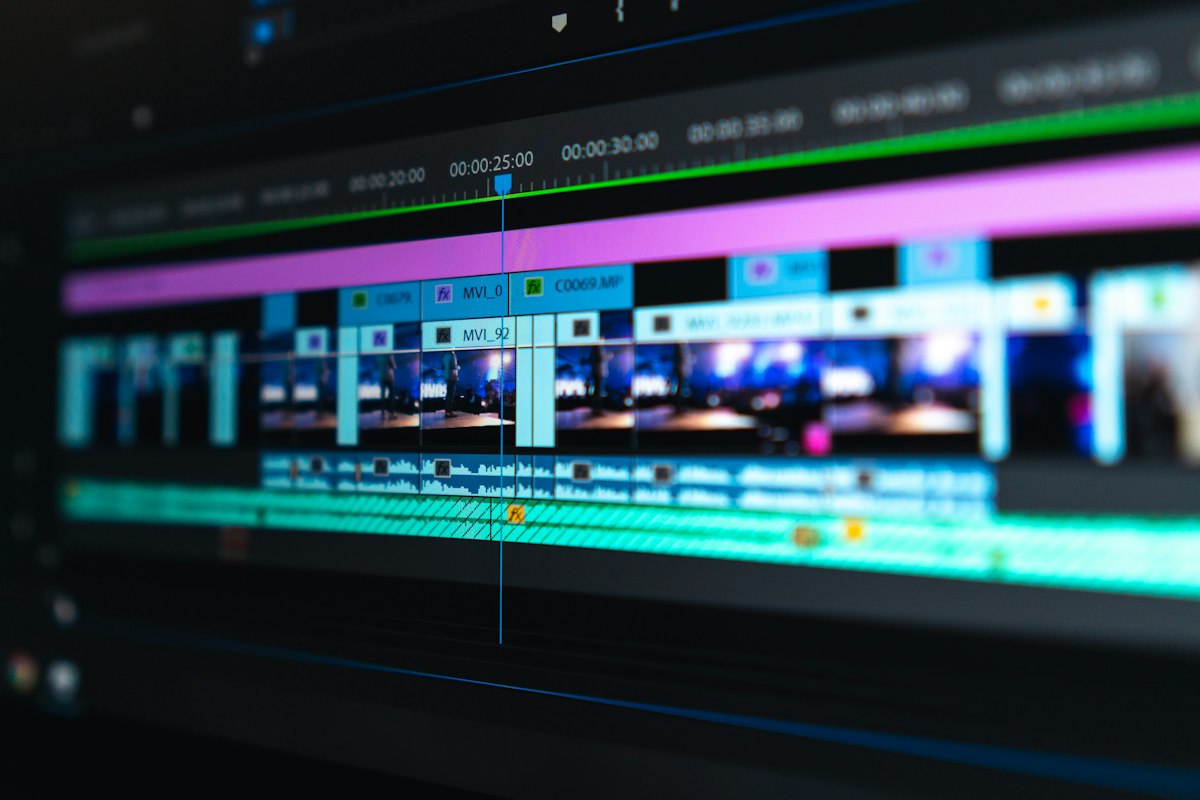
For years, the industry has buzzed with the fear that "AI will replace video editors." But as we navigate 2026, the reality is far more nuanced, and frankly, much more exciting for creators and brands aiming for high ROI.
The Shift from Generative to Assistive
While generative AI (text-to-video) grabs the headlines, the real revolution for professional editors has been in assistive AI workflows. We aren't asking the machine to edit the video from scratch. We are using it to eliminate the friction that bogs down the creative process.
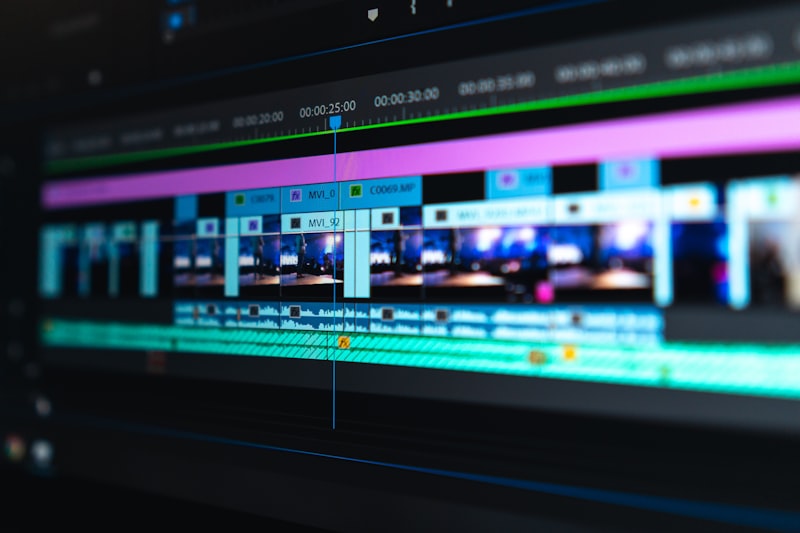
- Automated Silence Removal: Tools like Auto-Pod or native Premiere Pro features now scan hours of multi-cam podcast footage and intelligently strip out dead air in seconds, a task that used to take hours of manual slicing.
- Dynamic Auto-Captioning: CapCut and advanced AI plugins have perfected speech-to-text. Not only do they transcribe with 99% accuracy across multiple languages (crucial for my global clients), but they also animate the text to match vocal inflection.
- Color Matching: Matching skin tones across three different cameras with different lenses is now a one-click AI process, allowing us to spend our time on stylistic, emotional color grading instead of basic balancing.
Why the Human Element Commands a Premium
If AI can do all this, why hire an editor? Because AI lacks emotional intelligence and psychological intent.
An algorithm doesn't understand dramatic timing. It doesn't know that leaving a 1.5-second pause after a profound statement creates a moment of reflection for the viewer, drastically increasing emotional connection. AI will cut that pause because it registers it as "dead space." A human editor leaves it because it's the core of the narrative.
Critical Question 1: How do you price AI-assisted workflows?
A common friction point for modern editors is billing. If an AI plugin cuts a 10-hour editing job down to 4 hours, do you charge the client less? According to the shifting freelance landscape, the answer is no. You transition from hourly billing to value-based pricing. The client isn't paying for how many hours you sat in a dark room clicking a mouse; they are paying for the final deliverable and its retention rate. Using AI allows me to deliver a premium asset in 48 hours instead of 7 days, which is a massive value-add to the client's marketing velocity.
Critical Question 2: What about copyright and commercial AI assets?
Another massive hurdle in 2026 is commercial copyright. When integrating AI-generated B-roll or AI-enhanced audio via platforms like Midjourney or ElevenLabs, brands must be legally protected. As a professional, part of my job is ensuring that any AI asset utilized in a commercial campaign is fully licensed and immune to DMCA takedowns. Using built-in enterprise tools like Adobe Firefly ensures that all generated assets are commercially safe, protecting my clients from sudden platform demonetization.
The Ultimate Workflow
The most successful YouTube channels and ad agencies in 2026 operate on a hybrid model. As a trained engineer and editor, I leverage AI to build the rough assembly cut (the "A-Cut") in record time. This buys me back the time needed to obsess over the pacing, the J-cuts, the L-cuts, the sound design, and the subtle visual cues that drive actual viewer retention. Don't fear the AI editor; fear the editor who knows how to use AI faster and better than you.